
Retortable pouches have revolutionized food packaging for B2B manufacturers, distributors, and exporters by offering a reliable solution for shelf-stable products. Their unique properties allow food to be sterilized without compromising quality, making them a versatile choice across the food industry. Understanding which property of retortable pouches makes them suitable for the sterilization process is critical for businesses aiming to deliver safe, high-quality, and long-lasting products.
What Are Retortable Pouches?
Retortable pouches are flexible, multi-layered food packaging designed to withstand high-temperature sterilization, often exceeding 121°C (250°F). Unlike traditional cans or glass jars, these pouches combine advanced materials and innovative design to maintain product safety, flavor, and nutrition throughout extended storage. For B2B companies, retortable pouches offer operational efficiency, cost savings, and improved supply chain flexibility.
Key Features of Retortable Pouches
● Heat resistance – Retortable pouches can endure high-temperature sterilization without structural failure.
● Multi-layer construction – Combines materials such as PET, nylon, aluminum foil, and polypropylene to create high barrier protection.
● Durability – Resistant to punctures, leaks, and deformation during processing, shipping, and storage.
● Shelf-stable preservation – Maintains flavor, texture, color, and nutritional value for months or years.
● Convenient and lightweight – Flexible design reduces storage and transportation costs compared to rigid packaging.
The Property That Enables Sterilization
The primary property that makes retortable pouches suitable for the sterilization process is their high-temperature resistance combined with multi-layer barrier construction.
● High-Temperature Resistance
● The pouch’s materials are engineered to withstand the extreme heat and pressure of retort sterilization.
● Heat resistance ensures the pouch does not melt, deform, or rupture during the sterilization process.
● This property allows commercial sterilization of ready-to-eat meals, sauces, soups, and other food products without compromising safety.
● Multi-Layer Barrier Structure
● Each layer serves a specific purpose:
● PET or nylon provides strength and puncture resistance.
● Aluminum foil or metallized layers block light, oxygen, and moisture.
● Polypropylene or other food-grade films ensure chemical stability and sealing.
● This combination allows even heat penetration while protecting the food from microbial contamination and environmental factors.
Together, these properties enable retortable pouches to survive sterilization processes that traditional packaging might not endure, ensuring food safety and long shelf life.
How Retortable Pouches Work in Sterilization
Understanding the sterilization process helps B2B companies optimize product quality:
● Filling and Sealing – Food is filled into pouches and hermetically sealed to prevent leaks.
● Retort Processing – Pouches are subjected to high-temperature steam or water under controlled pressure, eliminating harmful bacteria and enzymes.
● Cooling and Handling – After sterilization, pouches are rapidly cooled to maintain texture and taste.
● Durable Design – The pouch’s structure ensures it remains intact during handling, shipping, and storage.
This combination of material strength and design innovation makes retortable pouches ideal for sterilization in large-scale food production.
Advantages for B2B Food Businesses
Retortable pouches offer multiple benefits for manufacturers, distributors, and exporters:
● Extended shelf life – Foods remain safe and fresh for 12–36 months without refrigeration.
● Reduced logistics costs – Lightweight and foldable packaging saves space and reduces shipping expenses.
● Maintains product quality – Flavor, texture, and nutritional content are preserved even after sterilization.
● Flexible applications – Suitable for ready-to-eat meals, sauces, soups, seafood, baby food, and pet food.
● Market competitiveness – Premium, convenient packaging appeals to retailers and end consumers.
By leveraging retortable pouch technology, B2B businesses can ensure operational efficiency while providing safe, high-quality, and shelf-stable products.
Applications Across Food Categories
Retortable pouches are used in various industries due to their durability and sterilization compatibility:
● Ready-to-Eat Meals – Rice dishes, pasta, curries, and mixed meals.
● Soups and Sauces – Chicken broth, gravies, and semi-liquid products requiring consistent texture and flavor.
● Seafood and Meat – Tuna, salmon, chicken, beef, and mixed seafood products.
● Baby and Infant Food – Fruit and vegetable purees, single-serving meals, and nutritional foods.
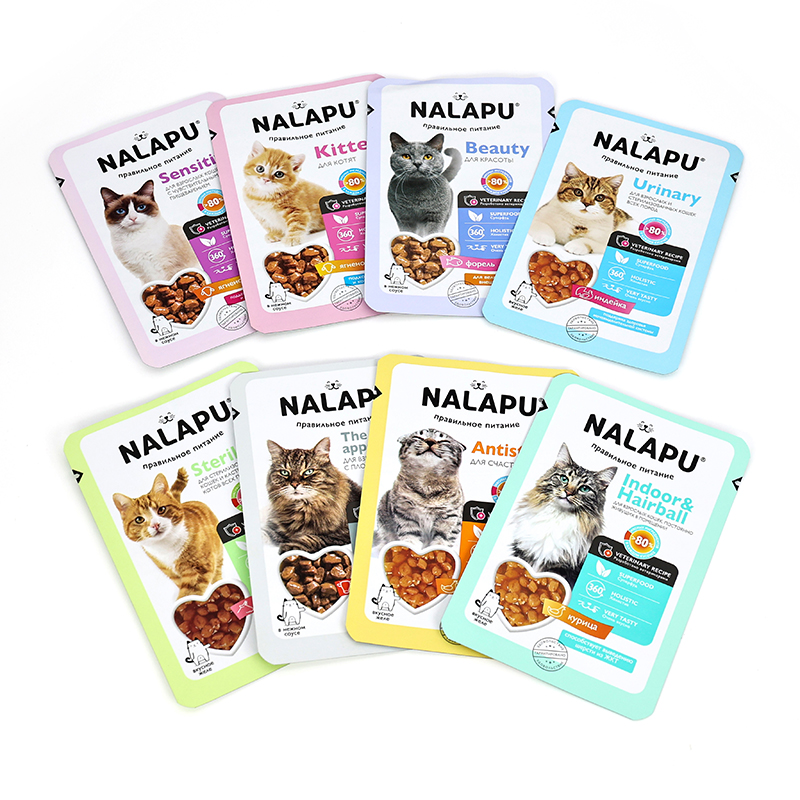
● Pet Food – Wet food, stews, and pâtés designed for extended shelf life.
These examples show how retortable pouches meet both operational and consumer needs in B2B contexts.
Summary
The key property that makes retortable pouches suitable for sterilization is their ability to withstand high temperatures combined with multi-layer barrier construction. This unique combination allows the pouches to endure retort processing while maintaining food safety, flavor, texture, and nutritional value. For B2B businesses, retortable pouches provide extended shelf life, reduced logistics costs, and enhanced market competitiveness, making them ideal for ready-to-eat meals, soups, sauces, seafood, baby food, and pet food. Adopting retortable pouch technology enables companies to deliver safe, high-quality, and shelf-stable products efficiently across domestic and international markets.
FAQ
Q1: What property of retortable pouches allows them to survive high-temperature sterilization?
● Their high-temperature resistance combined with multi-layer barrier construction ensures the pouch remains intact and protects the food.
Q2: Are retortable pouches suitable for liquid foods?
● Yes. Soups, sauces, gravies, and other semi-liquid products can be sterilized in retortable pouches while maintaining flavor and texture.
Q3: How long can food last in retortable pouches after sterilization?
● Depending on the product type, shelf life typically ranges from 12 to 36 months.
Q4: Why are retortable pouches important for B2B operations?
● They provide operational efficiency, reduce cold chain dependence, maintain product quality, and offer convenient, premium packaging for large-scale distribution.
Media Contact
Company Name: YanTai MeiFeng Plastic Products Co., Ltd.
Email: Send Email
Phone: +86-18663827016
Address:#8 Baoan Road, YanTai Development Zone
City: Shandong
Country: China
Website: https://www.mfirstpack.com/